Who we are

Public systems keep evolving. So does our work alongside them.

Children and Family Futures provides technical assistance, evaluation, and implementation support to public, community-based agencies and their institutional partners serving children, parents, and families.

Children and Family Futures operates a wholly owned small business entity,
the Center for Children and Family Futures.

History

Thirty years inside the work

What began with one county partnership became three decades of work at the local, state, and national levels.

1996

Sacramento County and CFF’s founding

Children and Family Futures incorporates as a nonprofit in 1996, the year after Sacramento County contracts CFF to evaluate a countywide training initiative on substance use and child welfare. The Sacramento County relationship has been continuous since 1995, the longest in CFF’s history.

1998

First book

CFF publishes Responding to Alcohol and Other Drug Problems in Child Welfare: Weaving Together Practice and Policy, funded by the Office of Juvenile Justice and Delinquency Prevention (OJJDP) and released by the Child Welfare League of America. The book introduces the collaborative practice framework that still anchors CFF’s work today.

2002

National Center on Substance Abuse and Child Welfare

CFF takes the lead role on the National Center on Substance Abuse and Child Welfare (NCSACW), an initiative co-funded by the Administration for Children and Families (ACF) and the Substance Abuse and Mental Health Services Administration (SAMHSA). The work continues today.

2009

National technical assistance for Family Treatment Courts

CFF wins the OJJDP contract to provide training and technical assistance to Family Treatment Courts (FTCs) nationwide. The contract is renewed through four subsequent procurements, with CFF serving as the federal technical assistance partner for FTCs across the country.

2017

START becomes a national effort

Tina Willauer and Lynn Posze join CFF from Kentucky, where they had led the state’s implementation of the Sobriety Treatment and Recovery Teams (START) model. CFF becomes START’s sole national implementation partner.

2019

Family Treatment Court Best Practice Standards

CFF co-authors the Family Treatment Court Best Practice Standards with All Rise, formerly the National Association of Drug Court Professionals.

2026

CFF at thirty

Children and Family Futures enters its fourth decade with more than 50 staff working across child welfare, courts, substance use, and mental health.

Leadership

Who leads the work

CFF’s leaders bring decades of experience across public systems, national initiatives, program implementation, and organizational operations.
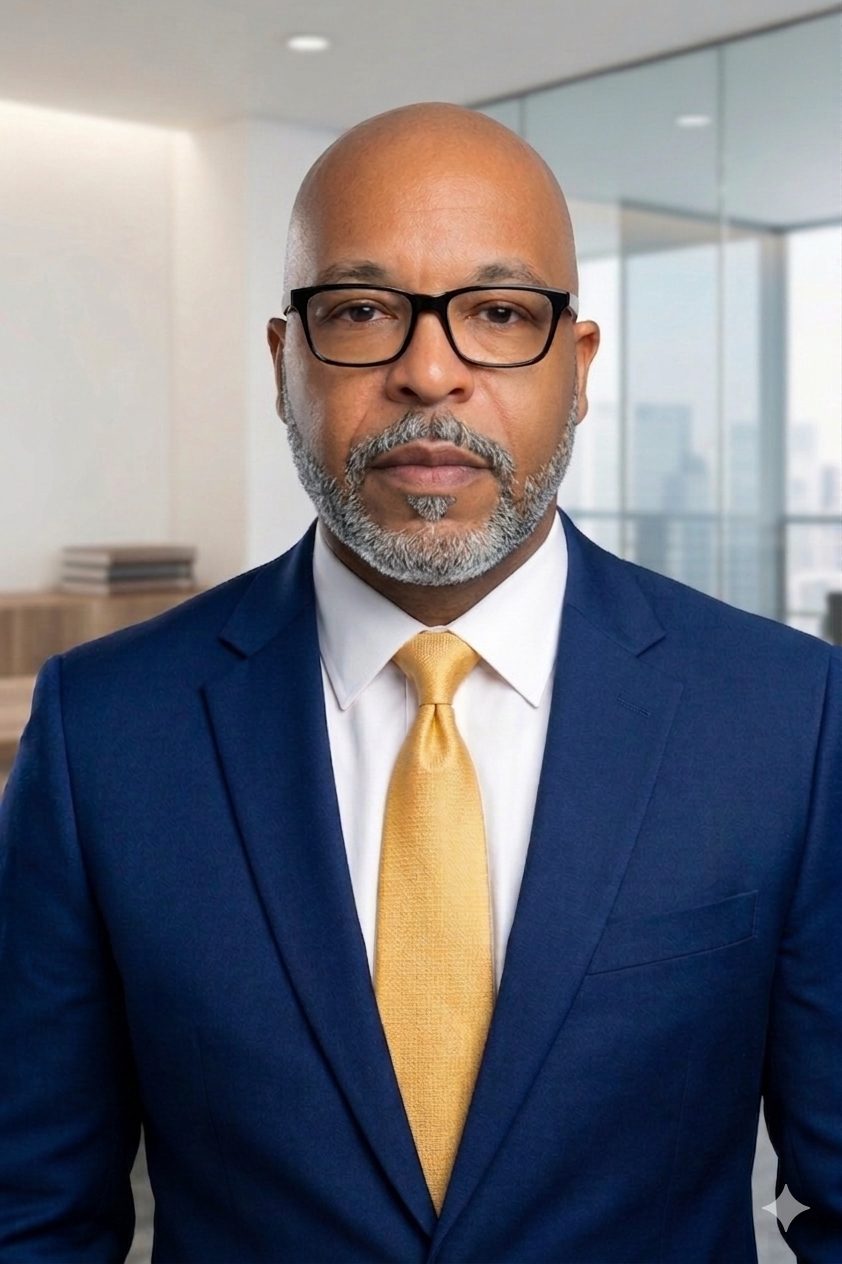
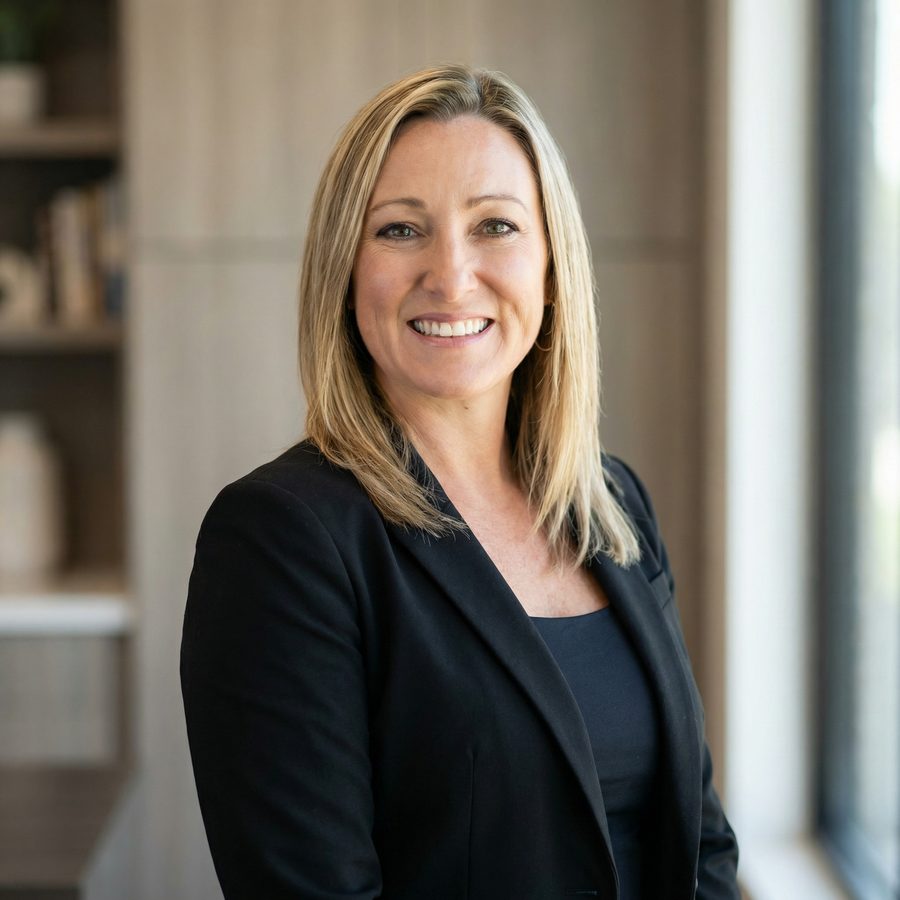
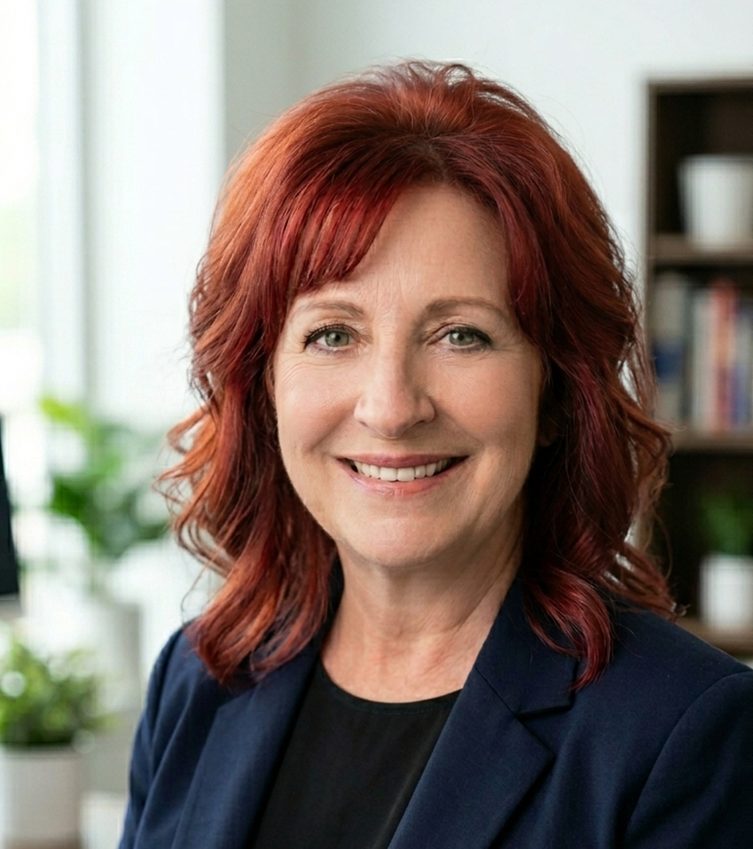
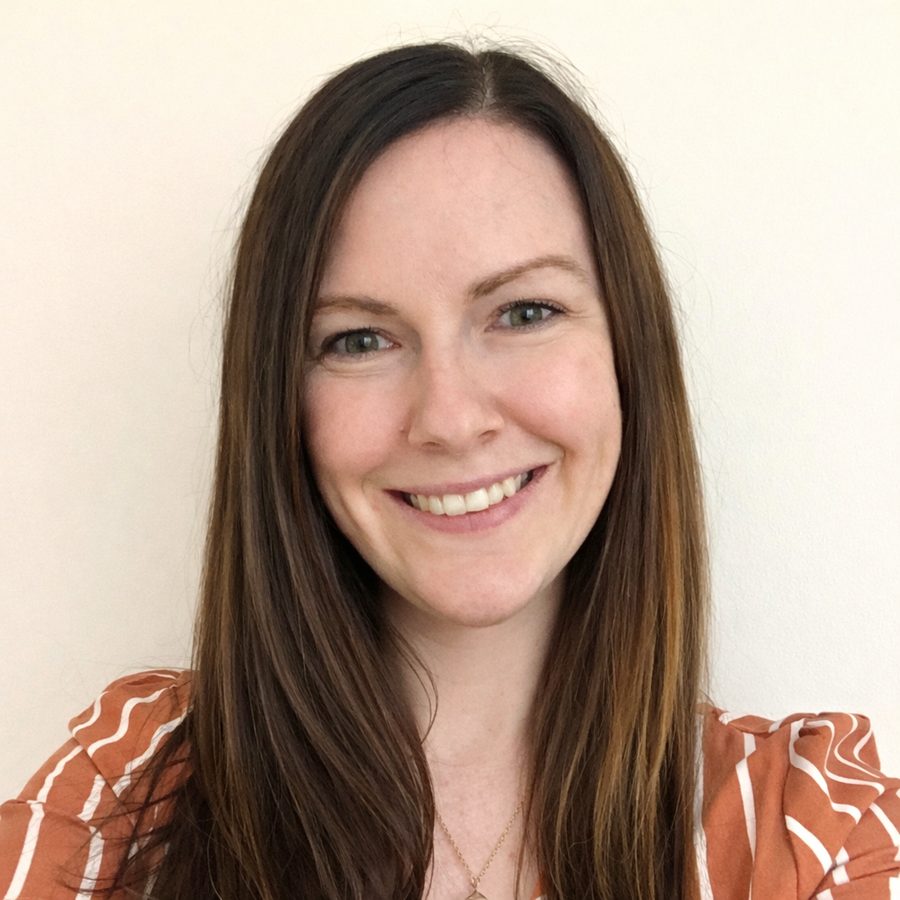
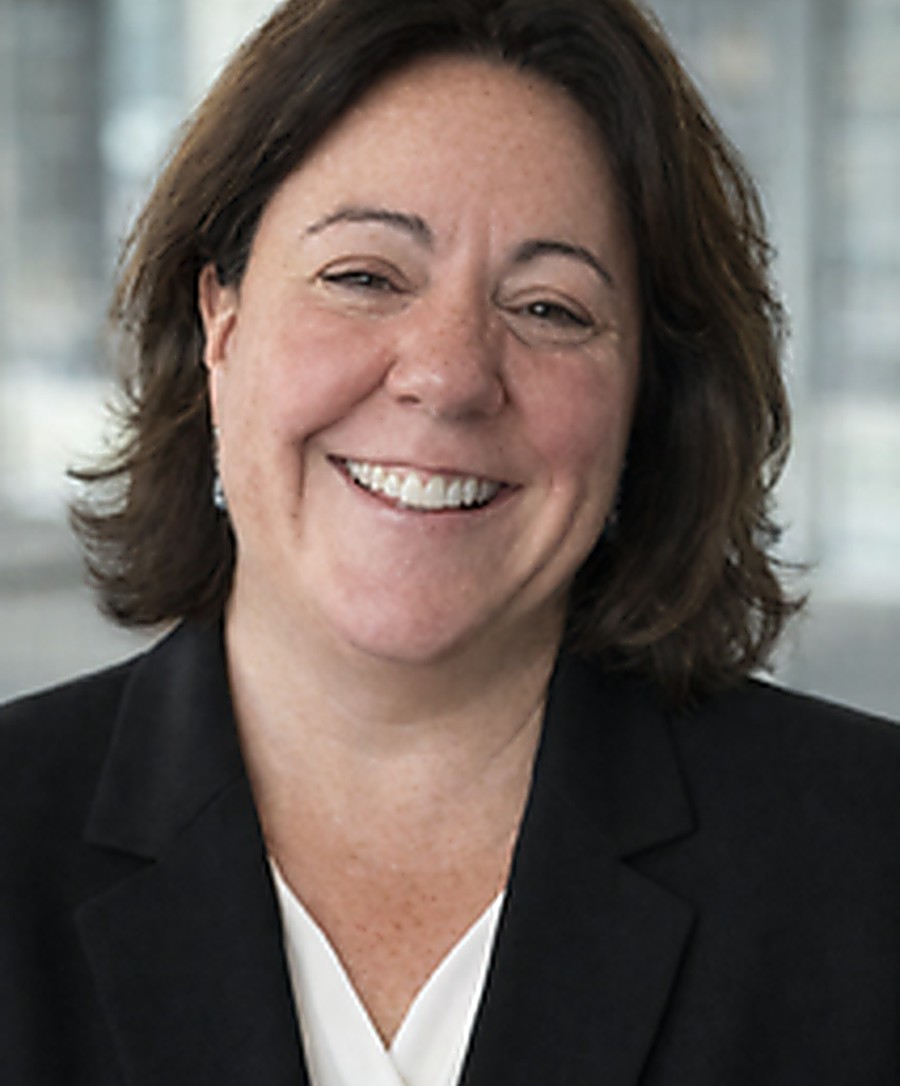
Nancy K. Young

Nancy K. Young, PhD, MSW

Chief Executive Officer

Dr. Young co-founded Children and Family Futures in 1996 and has led the organization since. Since 2002, she has also served as Project Director of the National Center on Substance Abuse and Child Welfare, an initiative funded by the Administration for Children and Families and the Substance Abuse and Mental Health Services Administration.

She holds a PhD and an MSW from the University of Southern California.

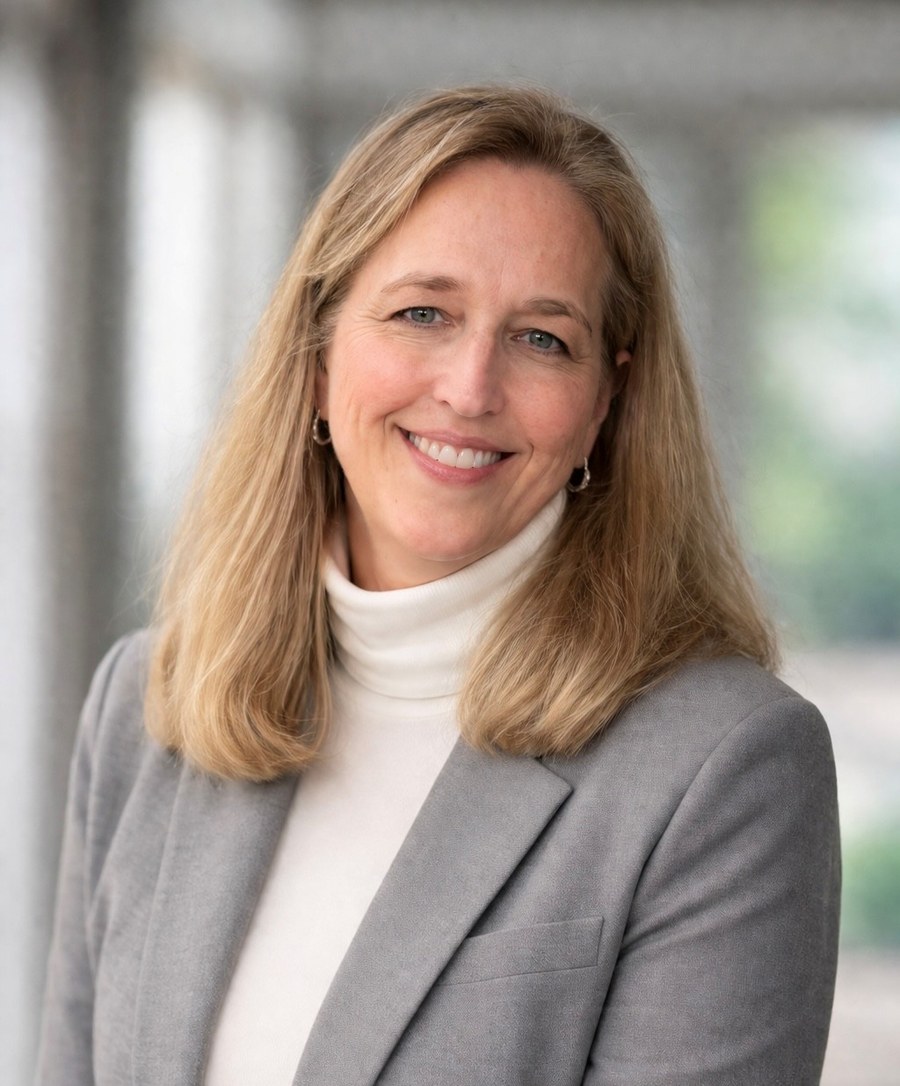
Sidney L. Gardner

Sidney L. Gardner, MA

President

Mr. Gardner has held strategic leadership roles at Children and Family Futures across the organization’s 30-year history, working with agencies in child welfare, substance use treatment, early care and education, veterans’ services, and the family court system.

He previously served on the White House Domestic Council, as Deputy Assistant Secretary at the U.S. Department of Health, Education, and Welfare, and as an elected member of the Hartford, Connecticut City Council. He holds a Master of Arts in Public Affairs from Princeton University and is the author of Beyond Collaboration to Results and Cities, Counties, Kids, and Families: the Essential Role of Local Government.

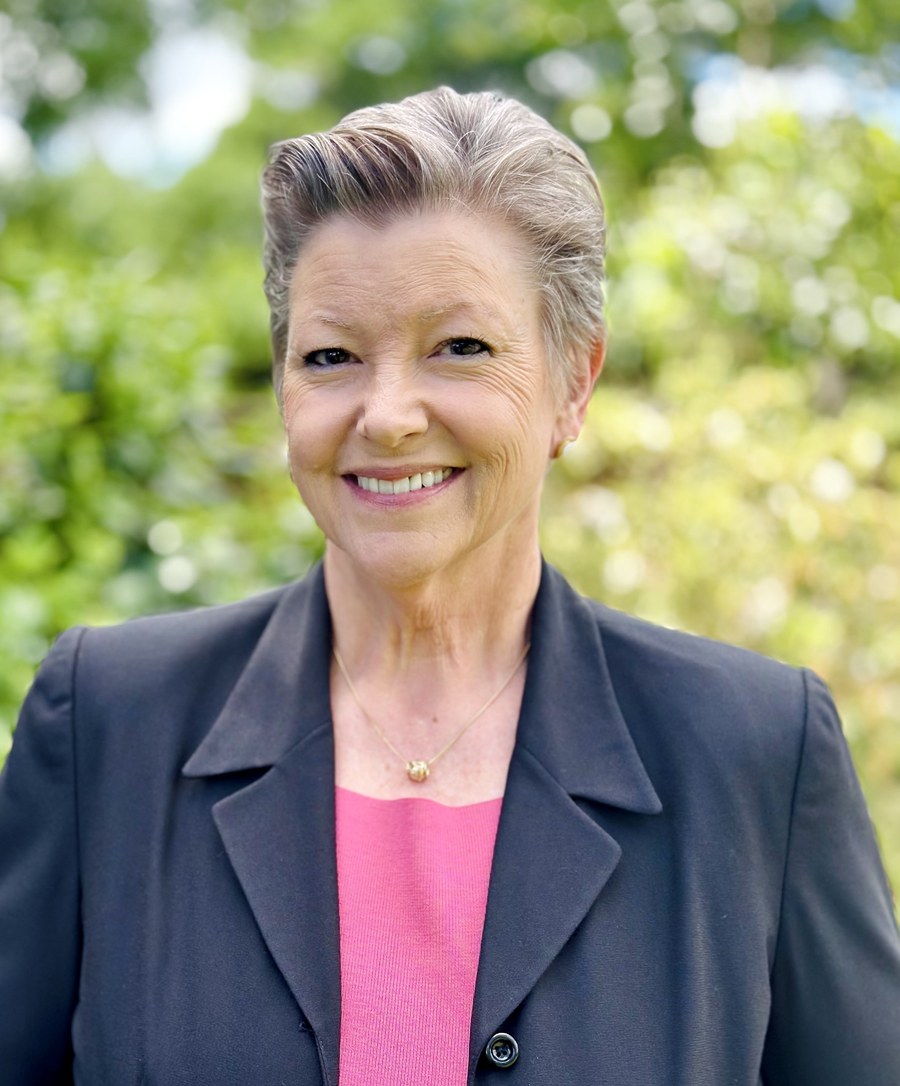
Charles D. Williams

Charles D. Williams, MBA

Chief Financial Officer

Mr. Williams oversees the financial operations of Children and Family Futures, including strategic planning, contract compliance, and executive leadership of accounting, human resources, and information technology. He brings more than 34 years of accounting and finance experience, including 24 years specifically in government contracting.

He holds a Master of Business Administration and a Bachelor of Science in Finance.

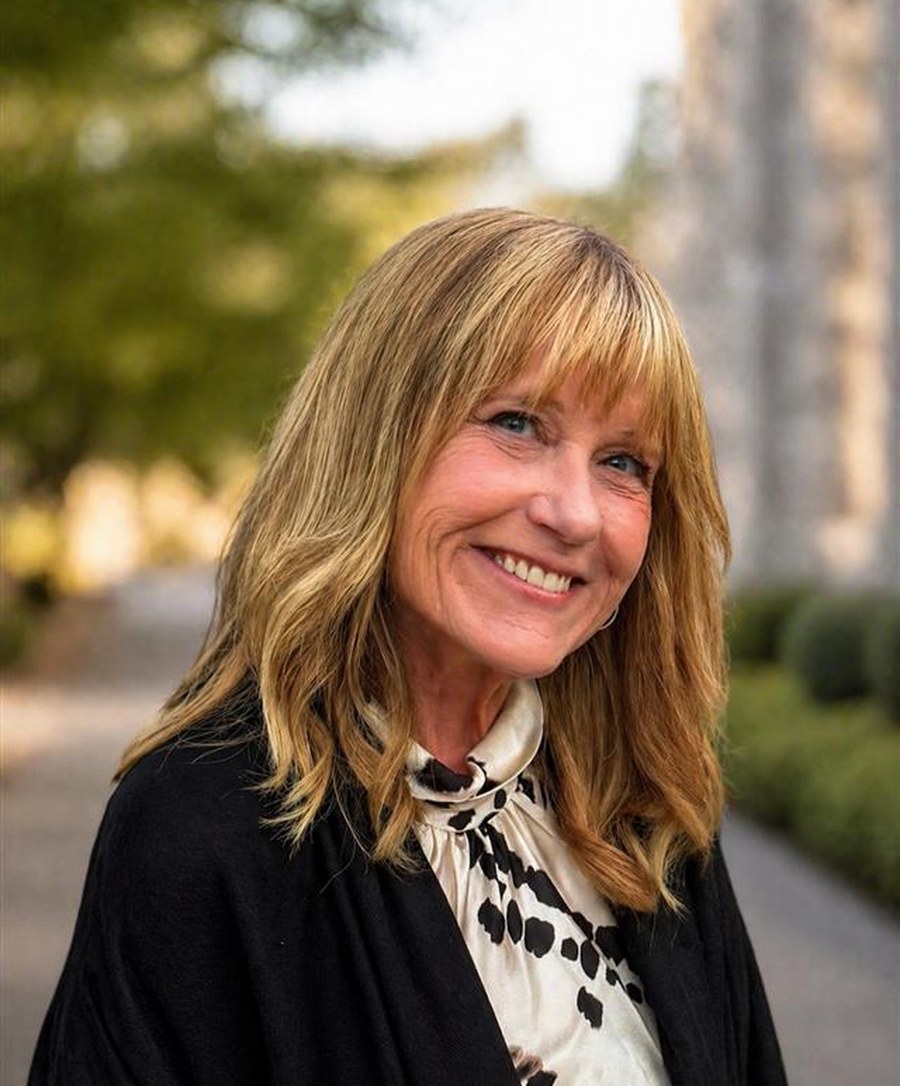
Alexis Balkey

Alexis Balkey, MPA

Program Director, Family Treatment Courts

Ms. Balkey leads the National Family Treatment Court Training and Technical Assistance Program at Children and Family Futures, where she has responded to more than 1,600 technical assistance requests from collaborative court teams across the country over 15 years.

She previously managed the Riverside County Family Preservation Court and is a certified addictive disorder counselor through the Breining Institute. She holds a Master of Public Administration from California State University, San Bernardino, and dual Bachelor of Arts degrees in Psychology and Criminal Justice from Temple University.

Tina Willauer

Tina Willauer, MPA

Program Director, START

Ms. Willauer leads training and technical assistance for jurisdictions implementing the Sobriety Treatment and Recovery Teams (START) model nationally, drawing on more than 30 years of experience in the child welfare system. Before joining Children and Family Futures in 2017, she spent a decade leading Kentucky START at the Department for Community Based Services, overseeing the model’s development and implementation.

As co-purveyor of the START model, she has worked with local, state, and Tribal entities to implement START and related strategies for families affected by parental substance use disorders, trauma, and child maltreatment.

Dr. Katherine Findley-Bhatta

Katherine Findley-Bhatta, PhD, MSW

Program Director, Research, Evaluation

Dr. Bhatta directs program evaluation work at Children and Family Futures, bringing nearly 15 years of experience leading large-scale domestic and international research, measurement, and data collection.

Before joining CFF, she served as a Researcher for the New Jersey Department of Human Services Division of Mental Health and Addiction Services, where she managed statewide programs reducing opioid overdose and supporting pregnant women and their children affected by opioid use disorder. She holds a doctorate in social work and has taught research methods at the Rutgers University School of Social Work for the past nine years.

Kimberly-Ann Coe

Kimberly-Ann Coe

Program Director, In-Depth Technical Assistance

Ms. Coe leads the Family-Centered Systems Innovation Team at the National Center on Substance Abuse and Child Welfare, directing in-depth technical assistance to states, Tribes, and community partner agencies working to improve safety, permanency, well-being, and recovery outcomes for families affected by substance use and co-occurring mental health disorders.

Her team supports states in developing and implementing policies, protocols, and practices related to the Comprehensive Addiction and Recovery Act (CARA) amendments to the Child Abuse Prevention and Treatment Act (CAPTA). Ms. Coe brings over 35 years of experience across child welfare and substance use and mental health treatment systems. She began her career as a social worker with Vermont’s child welfare department and spent 22 years as Director of Residential and Community Treatment Services at a nonprofit agency, overseeing programs ranging from residential treatment for mothers and their children to early childhood, workforce development, transitional housing, and prevention services. Her collaborative work includes Family Treatment Court, the Citizens Advisory Board for Child Welfare, and the Building Bright Futures State Council. A licensed foster parent for more than 20 years, she served over five years as President of the Vermont Foster and Adoptive Family Association.

Kim Bishop

Kim Bishop, MSW

Deputy Program Director

Ms. Bishop develops written materials, delivers specialized training, and provides technical assistance to jurisdictions nationwide, strengthening organizational capacity through data-driven, evidence-informed, and practice-based approaches. She brings more than 30 years of experience across substance use disorder treatment and child welfare systems.

Before joining Children and Family Futures, Ms. Bishop served for 17 years as Director of Substance Abuse for the Massachusetts Department of Children and Families, where she led statewide policy and program development for families involved with the child welfare system who were affected by substance use and served as the department’s primary liaison for interagency initiatives with sister agencies, community partners, and service providers. In 2003, she was awarded a Robert Wood Johnson Foundation Developing Leadership in Reducing Substance Abuse Fellowship, collaborating with nationally recognized leaders in the child welfare and substance use disorder fields. Ms. Bishop holds a Master of Social Work from Boston University and a Bachelor of Science from the University of Connecticut.

Jane Pfeifer

Jane Pfeifer, MPA

Program Director, Regional Partnership Grants

Ms. Pfeifer leads national technical assistance initiatives, including programmatic technical assistance for the Regional Partnership Grants Program, and previously led the Family Treatment Court Training and Technical Assistance Program. Her work spans the national, Tribal, state, and local levels, with an emphasis on cross-system coordination and evidence-informed practice.

Her training and technical assistance experience reaches across child welfare; law enforcement and community supervision; substance use and mental health disorder treatment; domestic violence services; community-based organizations; and dependency, delinquency, and criminal justice collaboratives. Before joining Children and Family Futures, Ms. Pfeifer worked within the justice system on systems improvement and collaborative justice initiatives and consulted for public and private organizations on grant development, strategic planning, data-driven program improvement, and community capacity building. She has served as faculty for several national organizations and as an adjunct professor at California State University, Chico. Ms. Pfeifer holds a Master of Public Administration.

Nancy Hansen

Nancy Hansen, MSW

Operations Director

Ms. Hansen has more than 40 years of experience at the intersection of substance use treatment, mental health services, and child welfare. She serves as Operations Director at Children and Family Futures and Project Manager for the National Center on Substance Abuse and Child Welfare, overseeing deliverables, operations, contract compliance, and organizational performance.

Ms. Hansen brings extensive expertise in managing large, federally funded initiatives, with a strong focus on strategic planning, continuous quality improvement, and cross-system collaboration. Throughout her career, she has provided technical assistance and coaching to Tribes, states, and communities nationwide, supporting the implementation of evidence-based practices to improve outcomes for children and families affected by substance use. Her background includes leadership and frontline roles in state child welfare agencies, legislative and statewide change initiatives, and the development and oversight of family-centered treatment programs. Ms. Hansen holds a Master of Social Work and a Bachelor of Science in Family Studies from Arizona State University.

Andrea Sivanich

Andrea Sivanich, PhD, JD

Deputy Program Director

Dr. Andrea Sivanich leads Children and Family Futures’ collaborative technical assistance triage and response approach, oversees webinars, conferences, and other national learning opportunities, and helps jurisdictions resolve complex implementation, policy, and practice challenges. A strategic leader in systems transformation, she specializes in helping organizations translate complex policy and practice goals into sustainable, evidence-informed solutions.

Before joining Children and Family Futures, Dr. Sivanich served as Criminal Justice Programs Unit Manager for the Colorado Judicial Department, where she directed the statewide implementation of multiple initiatives and led training and technical assistance efforts focused on treatment courts, diversion, restorative justice, and competency restoration. Earlier in her career, she managed one of the nation’s first placement prevention family treatment court programs and led substance use, mental health, and judicial systems innovation through grant-funded initiatives and collaborative criminal court programs. Her work focused on strengthening organizational and community capacity, implementation of evidence-based practices, and fostering cross-systems partnerships to improve outcomes. She also developed and operated an experiential learning lab for graduate students in social work, criminal justice, and public administration. Selected for the Leadership Institute for Military Spouses, a global leadership development program, Dr. Sivanich completed executive leadership training through Harvard University and the University of Notre Dame. She holds a Doctor of Philosophy in Criminal Justice and a Juris Doctor from the University of North Dakota.

Funders and partners

Who funds the work

CFF’s work is funded through federal contracts, state and local governments, and philanthropic organizations.

Current funders

  • Substance Abuse and Mental Health Services Administration (SAMHSA)
  • Administration for Children and Families (ACF)
  • New Allies
  • Casey Family Programs
  • Numerous state and local government organizations

Past funders

  • Office of Juvenile Justice and Delinquency Prevention (OJJDP)
  • Doris Duke Foundation
  • The Duke Endowment
  • Annie E. Casey Foundation
  • Health Resources and Services Administration (HRSA)

Impact

By the numbers

30

Years working alongside child welfare, the courts, and the systems that serve families

38

States with active Children and Family Futures work

660+

Tribal, state, county, and community sites served

344,000+

Attendees reached through more than 3,300 training events

Next step

Tell us what you are working toward.

A member of our team will get in touch with you shortly to help identify the right next step.